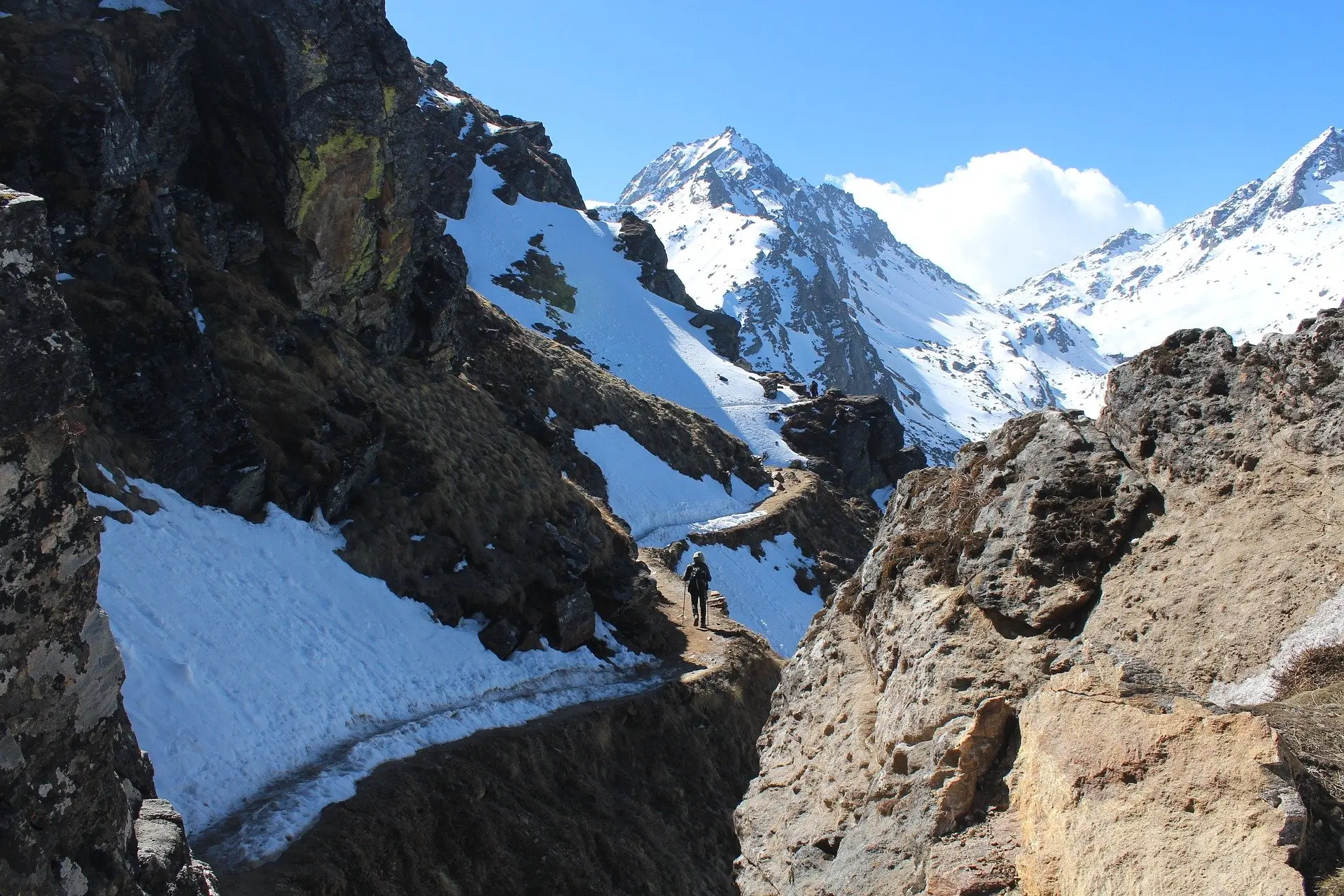
The Langtang Gosaikunda Sundarijal Trekking is one of the most rewarding trekking routes in Nepal, combining alpine beauty, sacred lakes, rich Tamang culture, and spectacular Himalayan views. Traversing through Langtang Valley to the holy Gosaikunda Lake and finishing at Sundarijal near Kathmandu, this 13-day journey offers a unique blend of natural splendor and cultural exploration. Beginning from Dhunche after a scenic drive from Kathmandu, the trail meanders through rhododendron forests, glacial rivers, yak pastures, and traditional villages.
This trek is suitable for moderately experienced trekkers looking to experience both scenic landscapes and spiritual destinations. A major highlight is the sacred Gosaikunda Lake (4,361m), believed to be the abode of Lord Shiva. Along the way, trekkers explore Langtang National Park, experience Tamang and Sherpa cultures, visit the ancient monastery at Kyangin Gompa, and climb ridges offering panoramic views of Langtang Lirung (7,227m) and Ganesh Himal. The trek ends in Sundarijal, just a short drive from the capital.
The best seasons for the Langtang Gosaikunda Sundarijal Trek are spring (March–May) and autumn (September–November). These periods offer clear skies, mild temperatures, and blooming flora, especially rhododendrons in spring. While summer (monsoon season) can bring landslides and leeches, the trails are lush and less crowded. Winter trekking is possible but requires proper gear due to snow at higher elevations, especially around Gosaikunda.
To undertake this trek, trekkers need the following permits:
These permits can be arranged through Special Trek & Expedition, ensuring a hassle-free start to your journey.
Accommodation during the trek is typically in teahouses – small lodges offering basic yet comfortable amenities. Meals include traditional Nepali dishes like dal bhat, as well as noodles, fried rice, pancakes, momos, and limited western options. While lower elevations offer more variety, higher regions (like Kyangin Gompa or Gosaikunda) may have limited menus due to supply constraints. Clean drinking water is available, but trekkers are encouraged to use purification tablets or carry reusable bottles with filters to reduce plastic waste.
A Diverse and Enriching Trekking Experience
Unlike more commercialized trekking routes in Nepal, the Langtang Gosaikunda Sundarijal Trek provides a quieter, more intimate experience with nature and culture. It combines the pristine alpine valley of Langtang with the sacred lakes of Gosaikunda and finishes with a lush forest descent near Kathmandu valley. This route offers a changing landscape at every stage — from subtropical forests to alpine meadows and glacial basins.
Cultural Immersion in Tamang and Sherpa Villages
The trek passes through various villages where the Tamang and Sherpa communities have preserved their unique Buddhist traditions, architecture, and lifestyles. Visiting these villages offers a rare glimpse into mountain life. You can witness traditional farming, prayer wheels, ancient monasteries, and friendly hospitality. Special Trek & Expedition ensures that your journey not only highlights natural beauty but also cultural richness.
Spiritual Journey to Gosaikunda Lake
One of the most spiritually significant parts of the trek is the visit to Gosaikunda, a glacial lake revered by both Hindus and Buddhists. Every year, thousands of pilgrims trek to this sacred site, especially during the Janai Purnima festival. Whether you're spiritually inclined or simply seeking serene beauty, the turquoise waters of Gosaikunda surrounded by rugged peaks offer a truly moving experience.
Panoramic Himalayan Views
Throughout the journey, trekkers are treated to stunning views of Himalayan giants including Langtang Lirung, Dorje Lakpa, Ganesh Himal, and the Tibetan peaks. The ridges above Kyangin Gompa and Lauribina La Pass (4,610m) provide dramatic, snow-covered vistas that rival the views from more popular trekking destinations like Annapurna or Everest.
Eco-Friendly and Community-Focused Trek with Special Trek & Expedition
Choosing Special Trek & Expedition means traveling responsibly with a company that prioritizes eco-tourism, local employment, and community development. Our experienced guides, many from the Langtang region, offer deep insights into local culture and nature. We practice Leave No Trace ethics, support local teahouses, and promote sustainable trekking by reducing plastic usage and ensuring proper waste disposal.
Whether you're a solo traveler, part of a group, or looking for a custom experience, Special Trek & Expedition offers flexible itineraries, expert logistics, and safety-first trekking services to make your Langtang Gosaikunda Sundarijal Trek unforgettable.
General Overview
This is a 13-day moderate to challenging trek combining the Langtang Valley and Gosaikunda Lake with a scenic exit through Sundarijal, near Kathmandu.
Offers a mix of Tamang culture, Himalayan views, sacred alpine lakes, and lush forests.
Permits Required
TIMS Card (Trekkers' Information Management System)
Langtang National Park Entry Permit
(Both can be arranged in Kathmandu before departure)
Best Seasons to Trek
Spring (March–May): Clear views, blooming rhododendrons
Autumn (September–November): Stable weather, excellent mountain visibility
Avoid monsoon (June–August) and winter (Dec–Feb) due to heavy rain/snow
Key Highlights
Stunning views of Langtang Lirung, Ganesh Himal, and Manaslu ranges
Sacred Gosaikunda Lake at 4,361m – important pilgrimage site
Traditional Tamang villages and Buddhist monasteries (e.g., Kyanjin Gompa)
Remote high mountain passes and rich alpine flora/fauna
Exit through Shivapuri National Park to Sundarijal
Difficulty & Preparation
Moderate to strenuous trek – includes altitude gain and steep trails
Prior trekking experience is helpful but not mandatory
Daily walking hours: 5–7 hours on average
Acclimatization day at Kyanjin Gompa is essential for altitude safety
Accommodation & Food
Teahouse/lodge trekking – basic but available throughout the route
Local Nepali food (dal bhat), noodles, soups, eggs, tea, etc.
Food options get more limited and expensive at higher altitudes
Packing Essentials
Layered clothing for varying temperatures (especially warm for nights above 3,000m)
Waterproof gear (jacket, backpack cover)
Sun protection (hat, sunglasses, sunscreen)
Trekking poles (for steep ascents/descents)
Water purification tablets or filter
Sleeping bag (teahouse blankets may be insufficient in cold)
Health & Safety
Be cautious of altitude sickness – ascend gradually, hydrate well
Carry basic first-aid, including medication for AMS, diarrhea, headaches
Travel insurance that covers high-altitude trekking is strongly recommended
Connectivity & Power
Mobile networks are limited or unavailable in many remote areas
Some lodges offer Wi-Fi (paid), especially in Langtang Valley
Charging electronics may cost extra – consider a power bank or solar charger
Estimated Budget
Daily cost (excluding guide/porter): ~$25–$40
Hiring a guide/porter is optional but helpful, especially for navigation and support
Cultural Respect
Respect Buddhist monasteries and local customs
Dress modestly, especially in villages and religious sites
Always ask before taking photos of people
Breakfast at the Hotel; Beginning of the Trek; Cross the Trishuli River (1680 m)-it drains away from the Gosainkund Lakes; Climb steeply up through beautiful Chir and Blue pine forest (usually an excellent day for wildlife and birds); Arrival at Syabru Bensi (2130m);Enjoy the views of Langtang valley; O/N
Breakfast at the Guest House; Descend to the Langtang river; Cross and head upriver through an impressive gorge; (For the rest of the day, there is almost no human habitation but the forests of rhododendron and prickly leafed oak, alive with bird life); arrival at Lama Hotel; Dinner; O/N at Gompa
Breakfast; (The valley is now the typical glacier-worn-shaped valley, in contrast to the steep water-worn V-shaped valley of previous day; Keep eyes open for the Himalayan Thar, a large mountain goat often seen on the higher slopes); Views of the valley and its soaring peaks are very impressive; Lunch near the Tibetan village of Langtang; Continue through the yak pastures under the great snow peaks to Kyangin Gompa; O/N in Tented Camp
Breakfast; Day at Leisure; Enjoy the remarkable views of views of Langtang Lirung (7246m), Langtang Ri (7239m), Lonpo Gang (7100m), and Dorji Lakpa (6989m) from the Campsite; Or make a worthwhile excursion up to the Glaciers: A 2 hours climb to Yala, a small cheese factory provides spectacular views. The valley is in the midst of exceptionally rugged and beautiful mountain ranges, ringed with glaciers, snowfalls and huge moraines; O/N
Breakfast; Start Retracing down-hill up to Gompa; Arrival at Gompa; O/N
Breakfast; Trek down the hill and cross the Langtang river; Enjoy the large stands of Larch, the flowers and the valley views; Climbly Steeply to Syabru; O/N
Breakfast; Climb through the forests of fir and rhododendron-the only signs of human habitation are the occasional shepherd’s huts at the points where water is found; Arrival at Sing Gompa; O/N
Breakfast; Follow the steep rugged trail-this trail is enriched by dramatic views: to the west-Himal Chuli (7893m), Manaslu (8156m), and Ganesh peak (7406m). And possibly even the Annapurna ranges. Towards the north, across the valley is Lngtang Lirung; Pass few huts in high yak pastures of Laurebina (4609m); Cross a small ridge and take the first views of the Holy Lakes-there are over a dozen lakes in the Gosainkund Basin, the main three being Saraswatikund, Bhairavkund and Gosainkund. According to the legend, Lord Shiva created Gosainkund when he pierced a glacier with his trident to obtain water to quench his thirst after swallowing some poison; Enjoy the Views; O/N
Breakfast; Continue along the rugged trails and pass several trains and other smaller lakes upto the Thare Pati Pass (4602m); Descend along a ridge to the tree line past beautiful waterfalls, through juniper and rhododendron forest; Still descend to the huts to Thare Pati. O/N
Breakfast; Drop steadily all day through fir, rhododendron and prickly leafed oak forests; Visit the Tamang village of Gul Bhangjyang-this ridge walk provides excellent views of the mountains and the Helambu valley; O/N
Breakfast; Start following gentle ‘ups & downs’ generally following a ridge to camp just above Chisapani (2194m) with excellent panoramic views of the Himalaya from Ganesh to Everest; O/N
Breakfast; Climb to the small pass at Burlang Bhagjyang (2438m); Bid farewell to the great line of snow peaks of the Himalayas before descending to Sundarijal (1457m); Drive for 45 minutes; Arrival at Kathmandu; Hotel Check In; O/N
Clothing
Handwear
Footwear
Gear
Miscellaneous
The Langtang Gosaikunda Sundarijal Trek is a stunning 13-day journey through the Langtang Valley and the sacred alpine lakes of Gosaikunda, ending in the lush forests of Sundarijal near Kathmandu. It offers a rich combination of culture, nature, and mountain vistas. In terms of difficulty, this is considered a moderate-to-challenging trek. Trekkers should be prepared for high altitudes, changing weather, and long walking days. However, with proper preparation and guidance from Special Trek & Expedition, it’s achievable for most healthy individuals with some trekking experience.
The ideal time for the Langtang Gosaikunda Sundarijal Trek is during the pre-monsoon (March to May) and post-monsoon (September to November) seasons. During these months, the skies are usually clear, mountain views are spectacular, and trails are dry and manageable. In spring, rhododendrons bloom in full color, while in autumn, the air is crisp and visibility is excellent. Special Trek & Expedition organizes treks throughout the year but recommends avoiding the monsoon period due to landslides and leeches on the trail.
Accommodation along the Langtang Gosaikunda Sundarijal Trek is primarily in teahouses or local lodges, which provide basic yet comfortable lodging. Rooms are typically twin-sharing with shared bathrooms, and the facilities become more basic at higher elevations. Special Trek & Expedition selects the best available lodges for comfort, hygiene, and hospitality, and ensures trekkers are well looked after at each stop. In Kathmandu, you will stay in a tourist-standard hotel with hot showers and modern amenities.
The highest point on the trek is Gosaikunda (4361m), which is considered high altitude and can pose a risk for Acute Mountain Sickness (AMS). Special Trek & Expedition ensures proper acclimatization by designing the itinerary with gradual elevation gains and rest days, such as a free day at Kyangin Gompa. You should train in advance with cardio exercises, stay hydrated on the trail, and avoid alcohol. If symptoms of AMS arise, our trained guides are equipped to provide immediate assistance or arrange evacuation if needed.
Yes, hiring a guide is not only highly recommended but also mandatory as per new trekking regulations in Nepal (2023 onwards). A guide from Special Trek & Expedition ensures safety, cultural insight, language support, and real-time problem solving in remote areas. Our licensed guides are experienced in high-altitude trekking, familiar with the terrain, and provide invaluable support to enhance your trekking experience while ensuring you follow a safe and enjoyable path.
For this trek, you will need a Langtang National Park Entry Permit and a TIMS (Trekkers' Information Management System) card. When passing through Shivapuri National Park near Sundarijal, an additional entry permit is required. Special Trek & Expedition handles all permit arrangements on your behalf, including paperwork, fees, and logistics, so you don’t have to worry about administrative tasks. Just provide the necessary documents such as your passport and photographs.
Three meals a day (breakfast, lunch, and dinner) are provided throughout the trek, mostly at teahouses along the trail. Meals typically consist of Nepali, Tibetan, and simple Western dishes, such as dal bhat (rice and lentils), noodles, soups, pancakes, and eggs. Our team at Special Trek & Expedition ensures hygienic food is served and recommends sticking to cooked meals to avoid stomach issues. Vegetarian and vegan options are available, and we try to accommodate dietary restrictions when informed in advance.
You should pack warm clothing in layers, including a down jacket, fleece, moisture-wicking base layers, a waterproof shell, trekking pants, gloves, and a warm hat. Good-quality trekking boots, a sleeping bag rated for cold temperatures, a backpack, water purification tablets, sunscreen, and basic first aid supplies are also essential. Special Trek & Expedition provides a detailed packing list before your departure and can help arrange gear rental in Kathmandu if needed.
Yes, travel insurance is mandatory for the Langtang Gosaikunda Sundarijal Trek. Your policy should cover high-altitude trekking up to 5,000 meters, including emergency evacuation by helicopter, medical treatment, and trip cancellation. Special Trek & Expedition requires proof of your insurance before the trek begins, and we work closely with evacuation providers in case of emergencies. It’s a critical safety measure in the remote Himalayas, where medical facilities are limited.
Special Trek & Expedition is a locally based, government-licensed trekking company with years of experience leading treks in the Himalayas. We pride ourselves on personalized service, ethical tourism, safety, and cultural authenticity. Our guides are certified, English-speaking professionals who ensure that every trekker feels supported throughout the journey. We also focus on sustainable travel, working with local communities and promoting responsible trekking practices. From airport pick-up to the final farewell in Kathmandu, we are committed to making your Langtang Gosaikunda Sundarijal Trek a memorable adventure.